Table of contents
The travel map is being redrawn in real time, pushed by social media fatigue, rising city prices, and a growing appetite for places that still feel unfiltered. From Iceland’s Westfjords to Japan’s remote islands, travelers are swapping checklist tourism for detours, and the payoff is often unexpected: a stranger’s invitation, a meal you did not plan, or a landscape that resets your sense of scale. Here are four real-world stories, backed by hard numbers, that show why going “somewhere else” can still change a trip.
They skipped Rome, and found Molise
Forget the Colosseum; try a village where the loudest sound is a church bell. That was the bet a Canadian couple made when they landed in Italy last spring and, instead of racing south from Rome to Naples, rented a compact car and drove into Molise, one of Italy’s least-visited regions. The choice was not romantic spontaneity, it was arithmetic: Italy’s hotel prices in major cities have surged in recent years, and in peak months even mid-range rooms can become scarce, while inland regions still offer availability, lower average nightly rates, and the kind of quiet that has become a luxury.
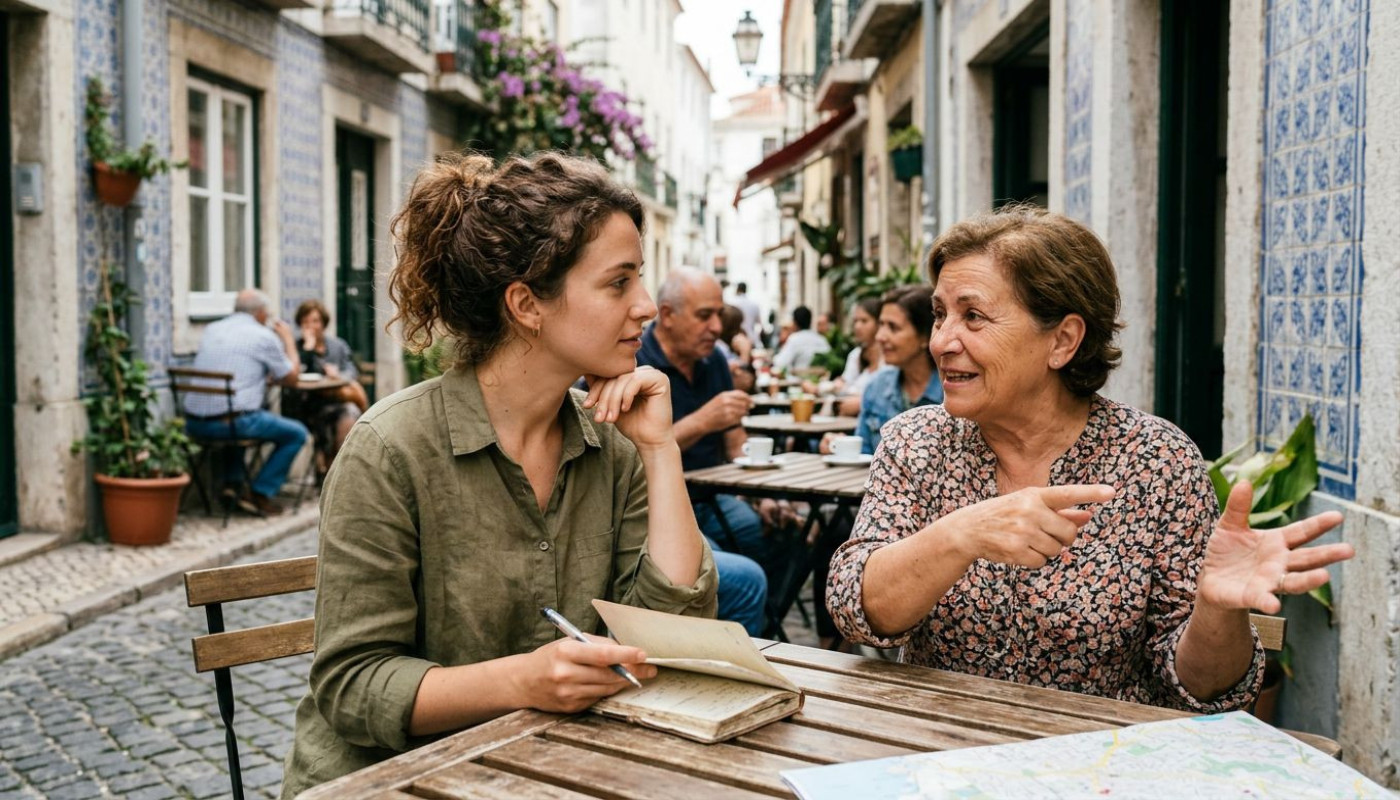
Molise sits between Abruzzo and Puglia, and for decades it has been a blank spot in international itineraries, despite hill towns, Adriatic coastline, and a food culture that leans on caciocavallo cheese, truffles, and olive oil. The couple described arriving in a stone village near Agnone and being waved into a small festival by an elderly local who insisted they try a homemade pasta dish “before it disappears.” That scene, in turn, reflects a structural reality: Italy’s interior is aging and depopulating, and some municipalities have used headline-grabbing schemes, including symbolic home sales, to attract newcomers, while tourism boards push “slow travel” to spread visitor pressure away from crowded hubs.
The data behind their detour is clear. Overtourism has become a documented issue in parts of Italy, with local authorities experimenting with limits, reservations, and crowd-control measures, and the national conversation has shifted toward visitor management and sustainability. Meanwhile, domestic transport strikes and high-season congestion make a one-region itinerary more appealing, and the economics favor smaller places, where you are more likely to find family-run stays and restaurants that still work around local calendars rather than tourist demand. The travelers left with what many city-hoppers miss: time, and the chance to be recognized, not processed.
A storm stranded them in the Westfjords
Bad weather can be the best editor of an itinerary. A British photographer traveling through Iceland planned two nights in the Westfjords, then a quick return to the Ring Road, but a winter storm closed mountain passes and made “quick” irrelevant. The Westfjords are famously dramatic, and famously exposed, and when conditions turn, the region’s remoteness becomes more than a postcard detail. What began as a forced delay turned into five days of slow living: a guesthouse owner calling around to find an open hot pot, a fisherman offering a ride to the harbor at dawn, and a sky so clear after the storm that the northern lights looked staged.
Iceland’s tourism boom is well documented, and the country has had to manage infrastructure stress, environmental impacts, and seasonal spikes. Yet the Westfjords remain a different proposition from Reykjavik’s Golden Circle day trips: distances are long, services thin out, and the weather is a decision-maker. That risk is precisely what creates the sense of discovery, and it is why experienced travelers often recommend building “weather buffer” days into Iceland itineraries, especially outside summer.
The photographer’s story also tracks with broader numbers. Tourism has been among Iceland’s major economic drivers over the last decade, and visitor volumes have rebounded strongly after the pandemic years, increasing pressure on headline sites. In response, travelers who want space are looking to lesser-visited regions, and the Westfjords, with their cliffs, fjords, and small settlements, fit the bill. The photographer returned to the capital with fewer attractions checked off, yet with the kind of narrative that cannot be replicated in a perfectly optimized schedule: the unplanned community you meet when a storm decides you will stay.
In Japan, a ferry changed everything
What if the best part of Japan is not on the bullet train line? An Australian solo traveler learned that lesson on a trip built around Tokyo, Kyoto, and Osaka, a classic route that remains popular for good reason, and that is increasingly crowded in peak seasons. A local friend suggested a detour to a smaller island reachable by ferry, an option that sounded inconvenient compared with the speed and certainty of rail. It was also, as the traveler later admitted, exactly what they were craving: fewer queues, more conversations, and a day structured by tides and meal times rather than reservations.
Japan has faced a renewed surge in inbound tourism, and with it the familiar concentration effect, where a handful of districts absorb the bulk of international visitors. Local governments and tourism bodies have encouraged dispersion, pushing regional airports, rural rail passes, and island routes to spread economic benefits and reduce pressure on hotspots. On the ground, that policy goal translates into practical differences: more availability in small inns, easier last-minute dining, and a higher chance that a shopkeeper has time to talk rather than simply ring you up.
The island experience the traveler described was not a single “hidden gem” moment, it was a sequence of small, human-scale surprises: a café owner explaining why the menu changes when the fishing boats return late, a quiet shrine path without selfie sticks, and an evening where the only noise was the ferry horn. The traveler also noticed costs shifting in a counterintuitive way. Transport was slower, yes, but food and lodging were often cheaper than in the big cities, and the absence of constant paid attractions reduced daily spending. For travelers watching budgets amid global inflation, that matters, and it is one reason lesser-known destinations are gaining traction: they can be more affordable without feeling like a compromise.
They landed in Auckland, then went wider
New Zealand rewards anyone who refuses to stay put. A French family flew into Auckland expecting a simple city break, museums, parks, and a day trip or two, but a conversation at their hotel desk shifted the plan: “If you have a car, go north; if you want volcanoes, go south, and do not rush.” Auckland is a gateway, and gateways can be overlooked, yet they are also where logistics become possible, where weather windows can be read, and where a flexible itinerary can turn into a real journey.
The family’s first surprise was scale. Within a manageable drive, they moved from urban waterfront to black-sand beaches on the west coast, then to vineyards and calm bays to the east, and the rhythm of their days changed with the landscape. They also discovered how quickly New Zealand’s costs can add up, particularly for accommodation and activities in peak travel periods, and why planning matters. Rather than improvising each night, they built a route with clear distances, realistic driving times, and a mix of free outdoor stops and a few paid highlights, and that balance kept the budget under control without flattening the experience.
It is also where good travel information becomes an advantage. Knowing when to book, how to sequence neighborhoods, and which day trips are truly worth the hours on the road can decide whether Auckland feels like a stopover or a starting line. For travelers looking to map a smarter route, including practical tips on timing, transport, and excursions, https://www.auckland-trip.com/ offers a focused starting point, and it can help turn the city’s “gateway” status into a real itinerary. The family left with the kind of memory that does not come from chasing the most famous sight, but from giving a place enough time to answer back: a spontaneous picnic above the harbor, a coastal walk in sudden sunlight, and the realization that the detour was the trip.
Booking smart, spending right, leaving room
Off-the-beaten-path travel is not about getting lost; it is about planning for surprise. Build in buffer days, book key transport early in peak season, and keep one part of the schedule deliberately open. Costs often drop outside hotspots, but car rentals, ferries, and weather delays can add up, so set a daily ceiling and track it. Check local and national tourism sites for permits, park rules, and any available regional discounts or visitor passes.
On the same subject